
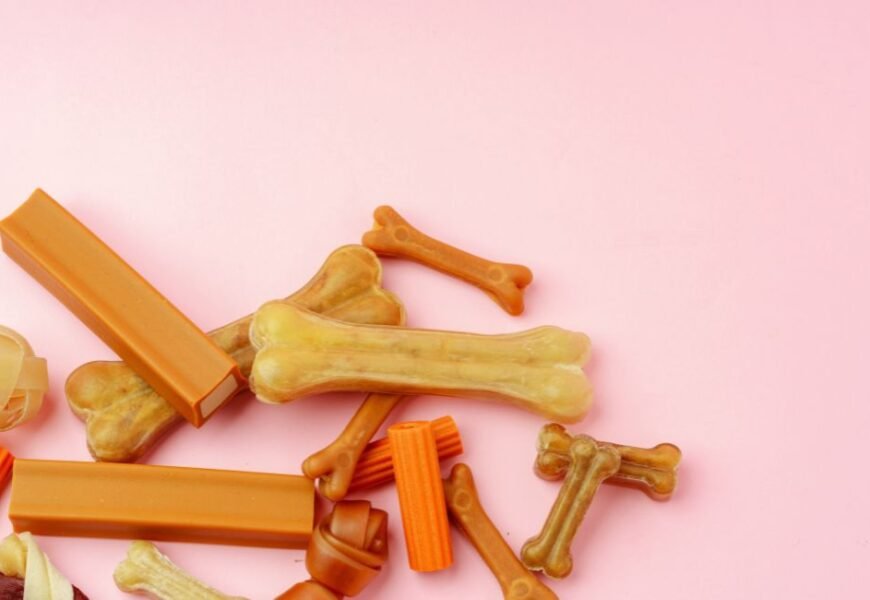
Every dog loves to chew! It’s a bit of a natural thing that soothes them, keeps them busy, and even cleans their teeth. But there are so many chew toys n the market, how do you know which are safe? One popular option is Benebones. These delicious and durable chews have won the hearts of many dogs. But are they a good choice for your furry friend?
In this guide, we’ll delve into Benebones. We’ll take a look at what they are made of, any risks involved, what the vets say about them and how to use them safely. Whether you’ve got a mild chewer or a power chewer, we’ll help you make wise decisions when it comes to finding a chew toy to keep your dog happy and healthy.
What Are Benebones Made Of?
Dogs love to chew and this toy is designed with determined chewers in mind. Inspired by real bones, the Benebone dog chew toy is made of real flavor, real scent and real feel of bacon, peanuts and chicken. Unlike natural bones, they are intended to be long-lasting and won’t splinter so they are ideal for hard chewers.
However, Benebones are not digestible, so They are not a good chew toy for dogs like this one. The flavors of this chew toy encourage them to chew, but it should stop short of eating the actual toy. Some pet parents are concerned about the safety of synthetic materials, but Benebones are BPA-, phthalate-, and PVC-free, easing fears of toxic chemicals. And because they’re so hard, they might not work for all dogs.
Are Benebones Safe for a Dog’s Teeth?
Chewing can help remove plaque and tartar, improving oral hygiene; however, not all chews are created equal in the service of teeth. These things are hard as rocks, which is a good and a bad thing.
- Pros: The stiffer texture can aid in cleaning teeth and reducing plaque instead of build-up.
- Cons: Dogs with weaker teeth can become prone to cracked teeth, worn enamel or gum damage if used excessively on hard surfaces.
Veterinary dentists frequently advise against giving dogs tough chews (such as antlers or hard nylon bones) because they’re a common cause of both molar fractures and slab fractures. If you have a dog with powerful jaws, consider using Benebones from time to time alongside some softer dental chews to achieve a balance of safety/dental benefits.
Do Veterinarians Recommend Benebones?
It’s also worth noting that veterinary opinions on Benebones are divided. Key vet recommendations include:
- Supervise your dog while chewing.
- Do not give Benebone to a dog with a weak tooth, as chewing may cause the tooth to loosen.
- Select the proper size to lessen the choking risk.
If you’re not sure if Benebones are right for your dog, talk to a vet, especially if your dog has a history of dental problems or aggressive chewing.
How Safe Are Benebones for Dogs?
While Benebones are advertised as being both long-lasting and safe, they are not without their dangers:
Choking Hazard
If a dog takes a large bite, it can become stuck in his or her throat. Always check the toy for deep grooves or damage.
Intestinal Blockage
If swallowed, the pieces can result in perilous obstructions that require emergency surgery.
Tooth Damage
Intense chewing can cause little teeth to crack or even in older dogs.
To minimize risks:
- Supervised chewing times only.
- Retire your Benebone once it’s worn down.
- Use a more pliable alternative if your dog likes to tear off chunks.
Is It Safe for Dogs to Chew on Benebones?
Yes, when used correctly. Here are some healthy chewing tips to keep in mind. All you need to do is watch your dog when they’re chewing. No longer than 15-30 minutes of chewing sessions can prevent overuse. Inspect the toy daily for broken parts, sharp edges or small pieces.
How to Monitor Safe Chewing Habits?
Keeping your dog safe while they chew on their Benebone will take vigilance. Here’s what to watch for:
- Look for Wear & Tear – Small Spalls Can Become Big Problems
- Limit Duration – Chew for too long and you may cause more harm than good.
- Check teeth and gums – signs of any bleeding, fractures or discomfort.
Comparing Benebones vs. Other Dog Chews
| Chew Type | Durability | Dental Safety | Digestibility | Supervision Needed |
| Benebones | High | Medium | Low (non-edible) | Yes |
| Rawhide | Medium | Low | Low | Yes |
| Antlers | Very High | Very Low (break teeth) | Low | Yes |
| Rubber Toys | Medium | High | Not edible | Sometimes |
| Natural Chews | Medium | Medium | High | Yes |
Signs Your Dog Should Stop Chewing a Benebone
Even if your dog adores their Benebone, you should snatch it away if you see:
- Broken or missing parts.
- Bite wounds to the cheek or tongue.
- Vomiting, diarrhea, or unwillingness to eat.
- Whining or pawing at the mouth.
When in doubt, take away the Benebone and talk to your vet if any of the above is a cause for concern.
Which Dogs Should Avoid Benebones?
Benebones are not appropriate chew toys for all dogs. Avoid giving them to:
- Puppies with baby teeth – Hard chews can damage new teeth.
- Senior dogs with brittle teeth are more susceptible to fractures.
- Dogs with historical wear or fractures – Chew with caution.
- They are made to be torn up eventually. The problem is that many aggressive chewers, who can shred a toy, will swallow pieces, including large ones.
For these pups, try softer rubber toys or edible dental chews.
How to Choose the Right Benebone Size?
Picking the correct size reduces choking risks and ensures a better chewing experience:
- Small dogs (under 25 lbs): Petite Benebones
- Medium dogs (25-60 lbs): Medium-sized Benebones
- Large dogs (60+ lbs): Large or extra-large Benebones
Wrap up
For the right dog, a Benebone can be a fine chew choice — strong, tasty and long-lasting. However, they’re not risk-free. Proper superintendence, scaling, and watching are the conditions to be insisted on to avoid accidents. When in doubt, ask your vet! They can also guide inquiries on whether or not Benebones is a safe and suitable option for your dog.