
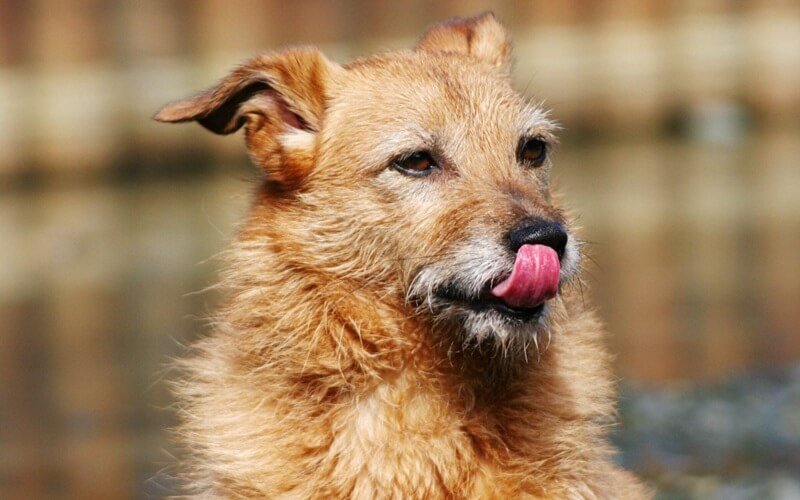
If your dog keeps licking his lips even when there’s no food around, it can feel confusing or even concerning. This behavior is actually quite common, but the meaning behind it depends heavily on context. Sometimes it’s completely normal, and other times it can signal stress or a health issue. Understanding the difference is key to knowing when to simply observe and when to take action.
It can be a Normal & Harmless Behavior
In many cases, lip licking is nothing more than a natural response. Dogs often lick their lips after eating, when they smell food, or when they anticipate a treat. You might notice it happening during meal preparation or when you’re holding something that smells interesting.
If the behavior is occasional and short-lived, and your dog seems relaxed and healthy otherwise, there’s usually nothing to worry about. It’s simply part of how dogs interact with their environment.
Stress and Anxiety Often Show up this Way
Dogs don’t always express stress in obvious ways. Lip licking is one of the subtle signals they use to communicate discomfort or nervousness. You might notice it during situations that feel overwhelming to them, such as meeting new people, visiting unfamiliar places, or being in loud environments.
When lip licking is tied to stress, it’s often accompanied by other small cues. Your dog might avoid eye contact, yawn frequently, or appear slightly tense. In these cases, the behavior is less about the mouth and more about emotional state.
Nausea can Trigger Frequent Lip Licking
One of the more important causes to be aware of is nausea. Dogs tend to lick their lips when they feel uneasy in their stomach. This can happen before vomiting or when they are dealing with digestive discomfort.
Unlike normal licking, this type often appears repeatedly within a short period. You may also notice your dog swallowing more than usual or acting restless. If this pattern continues or leads to vomiting, it’s a sign that something isn’t quite right internally.
Dental Discomfort May be the Reason
Problems inside the mouth can also lead to increased lip licking. When a dog experiences discomfort in the teeth or gums, licking becomes a way to cope with irritation.
This tends to develop gradually. Over time, you might notice changes in how your dog eats or a reluctance to chew certain foods. Bad breath or sensitivity around the mouth can also point toward dental issues rather than behavioral ones.
Dry Mouth or Dehydration can Play a Role
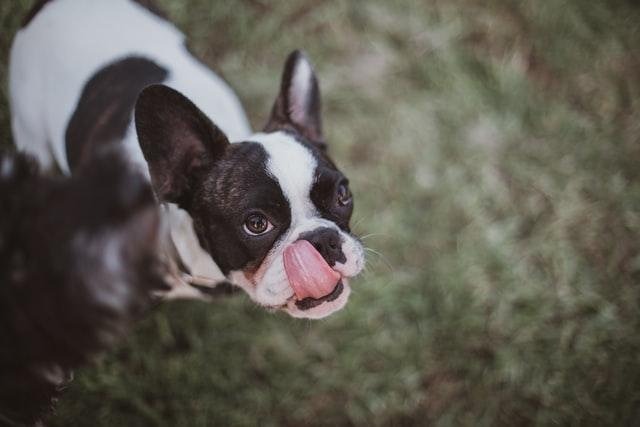
Lip licking can sometimes be as simple as dryness. When a dog isn’t properly hydrated, the mouth can feel uncomfortable, leading to repeated licking.
This is more common during hot weather or if your dog hasn’t been drinking enough water. In some cases, certain medications can also reduce saliva production, making the behavior more noticeable.
Allergies and Irritation can cause this Behavior
Environmental factors or food sensitivities can irritate a dog’s skin and mouth area. When this happens, lip licking becomes a response to that irritation.
You may notice other signs appearing alongside it, such as itching or general discomfort. The key difference here is that the licking tends to persist rather than appear occasionally, especially if the underlying trigger remains present.
In Rare Cases, it may be Behavioral or Neurological
If lip licking becomes constant and doesn’t seem tied to food, stress, or physical discomfort, it may fall into a more complex category. Some dogs develop compulsive behaviors, especially if they have experienced long-term stress or lack mental stimulation.
Although less common, neurological issues can also present in repetitive actions like this. If the behavior feels excessive or out of place, it’s worth taking seriously.
When should you be Concerned?
The difference between normal and concerning behavior often comes down to frequency and pattern. Occasional lip licking is part of everyday dog behavior. However, if it becomes persistent, happens without a clear reason, or is paired with other symptoms like vomiting, lethargy, or changes in eating habits, it should not be ignored.
Final Thoughts
Lip licking might seem like a small detail, but it can reveal a lot about your dog’s physical and emotional state. By paying attention to when it happens and what else is going on, you can better understand what your dog is trying to communicate.
In many cases, it’s harmless. But when it isn’t, early awareness makes all the difference.