
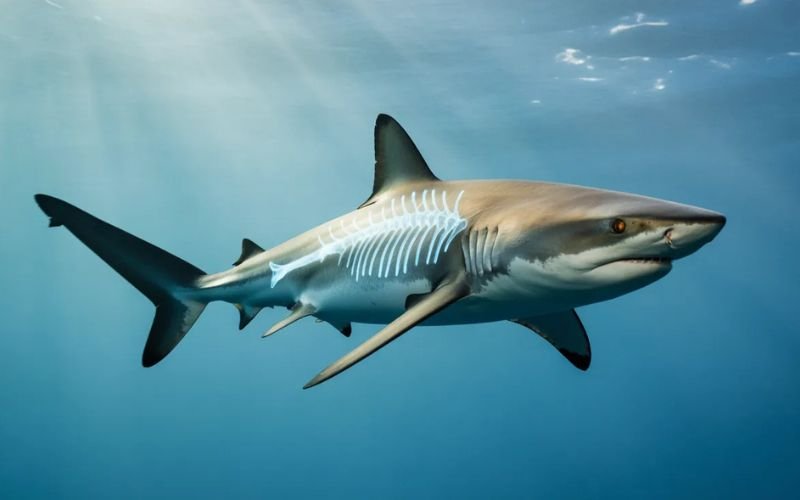
Sharks are some of the ocean’s most fascinating predators. They glide through the water with speed, power, and precision. But have you ever wondered how many bones do sharks have? Surprisingly, sharks do not have bones at all. Instead, their bodies are supported by a special material called cartilage, which makes them unique among fish. In this guide, we’ll explore shark anatomy, their cartilage skeleton, and why this adaptation is so effective.
Do Sharks Have Bones? The Surprising Answer
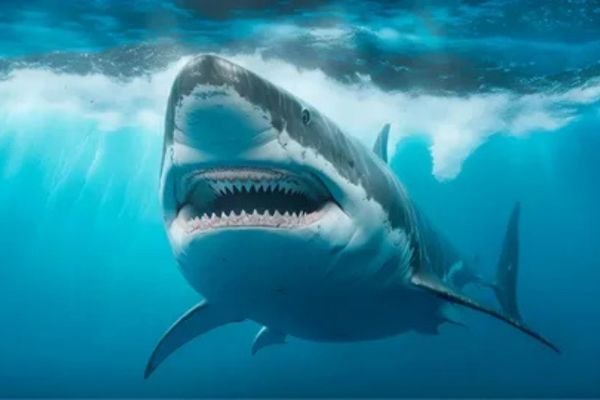
The short answer is: sharks have zero bones. Unlike most sharks belong to a group called cartilaginous fish, which includes rays and skates. Their skeletons are made entirely of cartilage, a flexible and strong tissue. This adaptation helps sharks stay agile and fast in the water, which is crucial for hunting and survival.
What Is Cartilage and How Does It Differ from Bone?
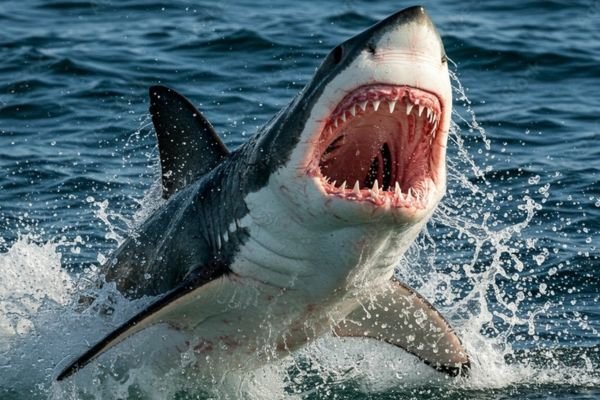
Cartilage is a firm, flexible tissue found in many animals, including humans. For example, your ears and nose contain cartilage. Unlike bone, cartilage is lighter and more flexible, which allows for smoother movement.
Key differences between cartilage and bone:
- Weight: Cartilage is lighter, which helps sharks swim efficiently.
- Flexibility: Cartilage bends without breaking, unlike rigid bone.
- Strength: Strong enough to support the shark’s body while remaining flexible.
The Shark Skeleton: Structure and Function
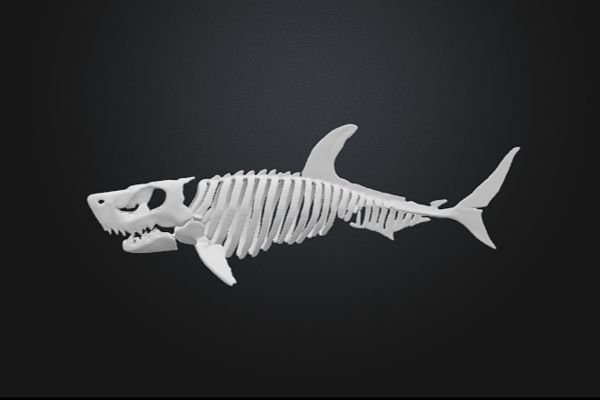
A shark’s skeleton is built from cartilage, including:
- Spine: Provides structural support and protects the spinal cord.
- Skull: Protects the brain and sensory organs.
- Fins: Supported by cartilage rods for balance and steering.
This cartilaginous skeleton allows sharks to move faster and make sharp turns while hunting. Unlike bony fish, sharks don’t have heavy bones weighing them down, giving them an evolutionary edge.
Advantages of a Cartilage Skeleton for Sharks
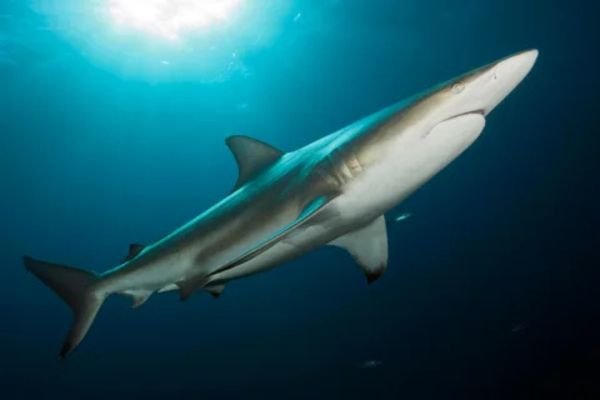
Sharks’ cartilage skeletons give them several benefits:
- Lightweight for Speed: Less weight means faster swimming.
- Flexible Movement: Enables sharp turns and sudden bursts of speed.
- Energy Efficiency: Sharks use less energy when swimming.
- Adaptable to Depths: Cartilage performs well in both shallow and deep waters.
These advantages help sharks remain top predators in the ocean for millions of years.
Evolutionary Perspective: Why Sharks Have Cartilage
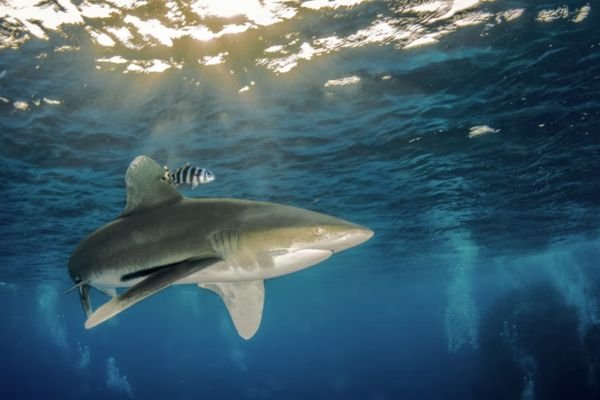
Sharks have been around for over 400 million years. Evolution favored cartilage because it allowed sharks to grow large, move fast, and remain flexible hunters. While cartilage doesn’t fossilize as easily as bone, it has been enough to help sharks survive multiple mass extinctions and dominate the oceans for millions of years.
Fun Facts About Shark Skeletons
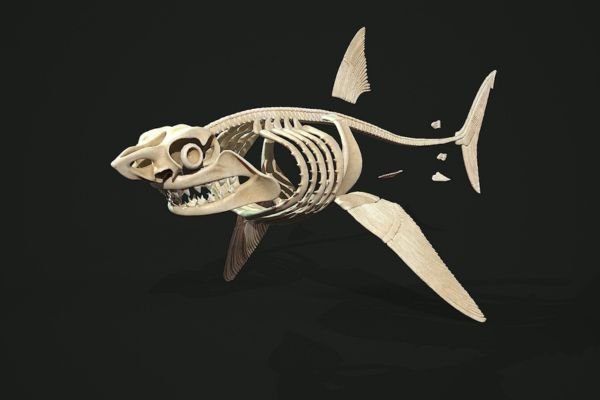
- Sharks’ skeletons are so light that some species can float effortlessly.
- Cartilage is denser at the base of the fins for extra support.
- Sharks and rays both have cartilaginous skeletons.
- The largest shark skeleton ever recorded belonged to a whale shark, which measured over 12 meters long.
Conclusion
So, how many bones do sharks have? The answer is zero. Sharks rely on a strong, flexible cartilage skeleton that gives them speed, agility, and efficiency in the water. This evolutionary adaptation has helped them survive for hundreds of millions of years as one of the ocean’s top predators.
Next time you see a shark gliding through the water, remember: what keeps it moving is not bones, but the incredible power of cartilage.
FAQs About Shark Bones
Yes, all sharks and rays are cartilaginous fish, so they have no bones.
Cartilage rarely fossilizes, which makes ancient sharks harder to study than bony fish.
Its light weight and flexibility allow sharks to glide efficiently through water.
Yes, most bony fish have skeletons made entirely of bone, but some parts, like cartilage in fins, may remain flexible.
No, sharks are born with cartilage skeletons, just like adults.