
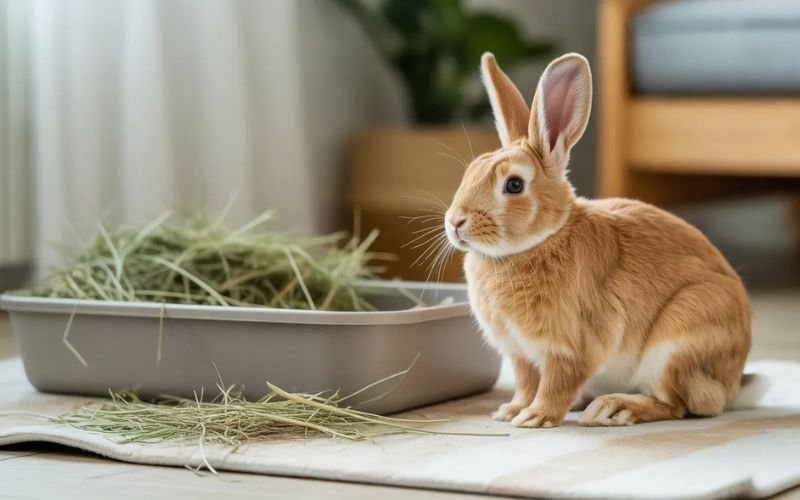
Choosing the right litter for your rabbit is more important than many new owners expect. Rabbits spend a lot of time in their litter box, and they often dig, sniff, and even taste what is inside. Using the wrong product can lead to breathing problems, stomach issues, or long-term health risks. This guide explains how to choose kitty litter for rabbits safely, what to avoid, and what works best for everyday use.
Why Litter Choice Matters for Rabbits?
Rabbits are very different from cats. They have sensitive lungs, delicate digestive systems, and a natural habit of nibbling on things in their environment. Because of this, many types of kitty litter that are safe for cats are not safe for rabbits.
The right litter should absorb moisture, control odor gently, and stay safe even if your rabbit chews on it. Safety always matters more than scent, price, or convenience.
Can You Use Kitty Litter for Rabbits

Some types of kitty litter can be used for rabbits, but many cannot. The key is understanding the material, how it reacts to moisture, and what happens if it is swallowed.
A good rule is simple. If a litter expands, clumps, creates dust, or contains chemicals, it is not suitable for rabbits.
Types of Kitty Litter You Should Avoid
Clay and Clumping Litter
Clay-based litter is one of the most common types used for cats, but it is unsafe for rabbits.
Problems with clay litter include:
- Clumping when wet, which can cause intestinal blockages if eaten
- Fine dust that can irritate rabbit lungs
- Heavy texture that sticks to fur and paws
Clumping litter is especially dangerous because it expands inside the body when exposed to moisture.
Scented and Chemical Litters
Litters with added fragrance or odor control chemicals may smell pleasant to humans, but they can stress or harm rabbits.
Rabbits rely heavily on scent, and strong smells can:
- Irritate their nose and eyes
- Cause stress or litter box avoidance
- Trigger breathing issues over time
Always choose unscented options, even if odor control seems weaker.
Silica Crystal Litter
Crystal litter absorbs moisture very well, but it comes with serious risks for rabbits.
Silica crystals can:
- Create sharp dust particles
- Irritate the respiratory system
- Cause internal injury if swallowed
This type of litter should never be used for rabbits.
Safer Kitty Litter Options for Rabbits

Paper-Based Litter
Paper litter is one of the safest choices and is often recommended by veterinarians.
Benefits include:
- Soft texture that is gentle on feet
- Good absorption without clumping
- Minimal dust when high quality
Look for paper litter made from recycled paper and labeled as non-toxic and unscented.
Wood Pellets Without Additives
Some wood pellet litters can work well for rabbits if they are plain and untreated.
Safe options are usually made from:
- Kiln-dried pine
- Aspen wood
Avoid cedar and untreated softwood shavings. Cedar contains oils that can harm rabbit lungs and liver.
Wood pellets break down into sawdust when wet, which helps with odor while staying safe if accidentally ingested in small amounts.
How to Read Litter Labels Correctly?
Litter packaging is often designed for cat owners, so you need to read carefully.
Check for:
- Non-clumping description
- Unscented labeling
- No added chemicals or deodorants
- Low dust or dust-free claims
If a label does not clearly state what the litter is made from, it is best to skip it.
Setting Up a Safe Litter Box
The litter itself is only part of the setup. How you use it also affects safety and comfort.
Layering the Litter Box
A simple and effective setup includes:
- A thin layer of safe litter on the bottom
- A layer of hay placed on one side or on top
Rabbits like to eat while they use the litter box, so adding hay encourages good habits and keeps them comfortable.
How Often to Clean
Dirty litter boxes can lead to odor, bacteria, and poor litter habits.
Most rabbits need:
- Spot cleaning every day
- Full litter change two to three times per week
Adjust based on the size of the box and how many rabbits you have.
Signs a Litter Is Not Working
Even safe litter may not be the right fit for every rabbit. Watch for changes in behavior or health.
Warning signs include:
- Sneezing or nasal discharge
- Refusal to use the litter box
- Chewing large amounts of litter
- Red or irritated feet
If you notice these signs, switch to another safe option and monitor your rabbit closely.
When to Talk to a Veterinarian
If your rabbit shows ongoing breathing issues, digestive problems, or sudden behavior changes, contact a rabbit-savvy veterinarian. Litter choice can play a role, but it is not always the only cause.
Trusted animal welfare organizations like the House Rabbit Society provide detailed guidance on rabbit care and housing that can help owners make informed decisions. You can also review general rabbit care advice from organizations such as the RSPCA to better understand environmental needs.
Read Also: Which Wild Animals Are Frightened by Reflective Tape?
Final Thoughts on Choosing Kitty Litter for Rabbits Safely
Choosing kitty litter for rabbits safely comes down to understanding rabbit behavior and prioritizing health over convenience. Avoid clumping, scented, and dusty products. Stick with paper-based or plain wood pellet options, keep the litter box clean, and pay attention to how your rabbit responds.
A safe litter choice supports good habits, keeps your rabbit comfortable, and reduces the risk of preventable health problems. With a little care and observation, you can create a litter setup that works well for both you and your rabbit.