
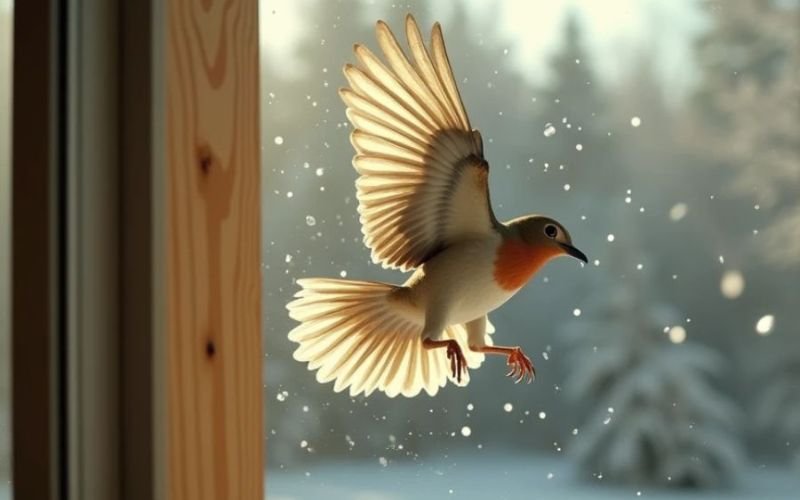
Birds crashing into windows is a common and upsetting problem for many homeowners. It often happens without warning and can lead to serious injury or death for the bird. The good news is that there are simple, safe ways to reduce these collisions without harming wildlife or changing your home in drastic ways.
This guide explains why birds hit windows and how to stop birds crashing into windows at home safely using proven, practical methods.
Why Birds Crash Into Windows?
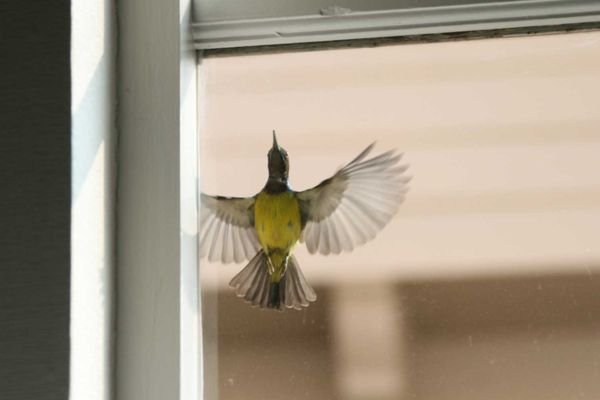
Birds do not see glass the way humans do. To them, a window can look like open sky, trees, or a safe place to fly through. This confusion usually happens for two main reasons.
Reflections in Glass
During the day, windows reflect trees, clouds, and plants. Birds try to fly toward what looks like habitat or shelter and hit the glass instead.
See-Through Windows
Windows on opposite sides of a house or at corners can create the illusion of a clear flight path. Birds think they can pass straight through.
Understanding these causes makes it easier to choose the right solution.
How to Stop Birds Crashing Into Windows?
There is no single fix that works for every home, but combining a few of the methods below usually leads to a big reduction in collisions.
Make Windows More Visible to Birds
The most effective way to stop birds crashing into windows is to help them recognize glass as a solid surface.
Use Window Decals or Stickers
Decals are one of the easiest options. They work best when placed correctly.
- Space decals no more than 2 inches apart horizontally
- Vertical spacing should be about 4 inches
- Apply them to the outside of the glass, not inside
A few stickers spread far apart will not work. Birds need consistent visual markers to avoid the window.
Try Tempera Paint or Soap Patterns
For a low-cost option, you can draw simple patterns on the outside of the glass using washable tempera paint or bar soap.
- Lines, dots, or simple shapes work well
- This is useful during peak migration seasons
- Patterns can be washed off later
This method is often recommended by bird conservation groups for temporary protection.
Install External Screens or Netting
Screens break up reflections and soften impacts if a bird does hit the window.
Benefits include:
- Reduced glare and reflection
- Extra insulation for the home
- Minimal visual change from indoors
Netting should be installed a few inches away from the glass so birds do not hit the window behind it.
Adjust the Area Around Your Windows
Small changes outside your home can make a big difference.
Move Bird Feeders Closer or Farther Away
Feeder placement matters more than many people realize.
- Place feeders within 3 feet of windows so birds cannot build up speed
- Or place them more than 30 feet away to reduce direct flight paths
Avoid placing feeders at medium distances directly facing glass.
Rethink Plants and Landscaping
Trees and shrubs reflected in windows often cause collisions.
You can:
- Move potted plants away from windows
- Add visual barriers between glass and greenery
- Use awnings or exterior shades to reduce reflections
Control Indoor Lighting at Night
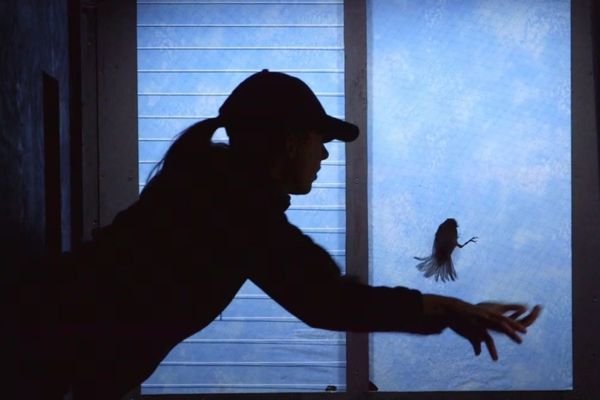
Artificial light at night can attract birds, especially during migration.
Reduce Nighttime Light Spill
- Close curtains or blinds after dark
- Turn off unnecessary indoor lights
- Use motion sensors instead of leaving lights on
This is especially important for homes near green spaces or along migration routes.
Choose Bird-Safe Window Products
If you are replacing or upgrading windows, bird-friendly options are worth considering.
Fritted or Patterned Glass
Some windows include patterns baked into the glass that birds can see clearly.
UV-Reflective Treatments
Birds can see ultraviolet light, even though humans cannot. Certain window films reflect UV light and make glass visible to birds without blocking your view.
These options are often used in newer buildings but can also be added to existing windows.
Read Also: 30 Creative Gifts for Bird Lovers That Stand Out
What to Do If a Bird Hits Your Window?
Even with prevention, accidents can still happen. Knowing how to respond can help the bird recover.
- Gently place the bird in a small, ventilated box
- Keep it warm, dark, and quiet
- Do not offer food or water
- Release the bird outside after 30 to 60 minutes if it appears alert
If the bird does not recover, contact a licensed wildlife rehabilitator. You can find guidance through organizations like the National Audubon Society or bird safety resources from the Royal Society for the Protection of Birds.
Common Myths About Bird Window Collisions
Some popular ideas do not actually help.
- One or two decals in the center of a window are not enough
- Hawk silhouettes rarely reduce collisions
- Glass that looks tinted to humans can still reflect sky and trees
Effective solutions focus on coverage and consistency, not decoration.
Creating a Bird-Safe Home Takes Small Steps
Stopping birds from crashing into windows does not require expensive renovations. Most homes can reduce collisions by making glass easier for birds to see and by adjusting outdoor and indoor conditions.
Start with the windows where collisions happen most often. Add visible markers, manage reflections, and observe how birds respond. Small changes, applied thoughtfully, can make your home safer for wildlife while keeping it comfortable and bright for you.