
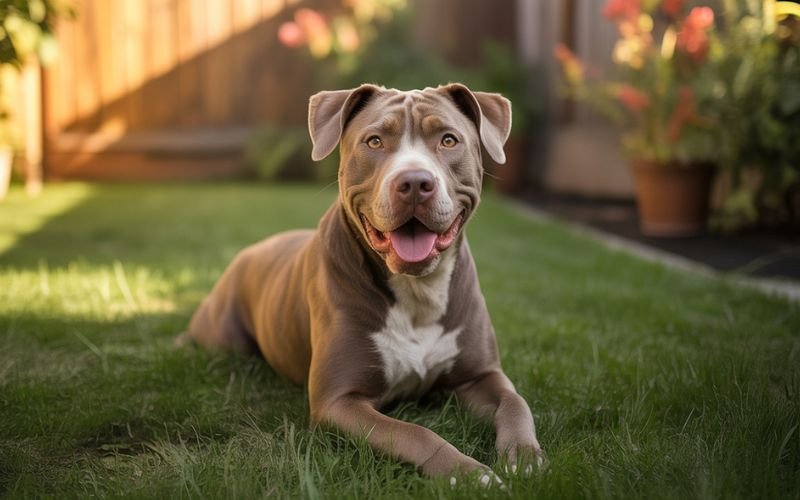
The Pitbull Dog Lab Mix is one of the most loving and energetic mixed breeds you can bring home. Many people call this mix the Labrabull. It blends the strength and confidence of a Pitbull with the playful and loyal nature of a Labrador. This mix can be a wonderful family dog. But you need to understand the temperament and training needs before bringing one home.
What This Mix Is Really Like?
A Pitbull Dog Lab Mix is active. This dog wants attention, play, and guidance. The temperament is a mix of affection and drive. You get a dog that is eager to please, yet full of energy. This means daily structure matters a lot.
The breed is known for forming strong bonds with owners. These dogs crave closeness and enjoy being part of daily routines. They are social and friendly with people when trained well. They also show strong loyalty and love spending time with family.
Why Their Temperament Needs Understanding?

This mix has big energy. If you understand this early, training becomes easier. These dogs do not like long hours of boredom. They need activities that keep their mind busy. They also need owners who stay calm and consistent.
A Pitbull Dog Lab Mix is emotional. They read your tone quickly. Gentle and clear guidance works better than harsh corrections. When you train with patience, they respond with trust.
Social Nature and Behavior Around People
Most Labrabulls love people. They enjoy visitors and show excitement when meeting new faces. Early socialization helps them learn good manners. It also teaches them how to handle different environments and sounds.
They may act protective at times. Both parent breeds can show guardian behavior. But with proper exposure, they learn when to relax and when to alert. Positive exposure is key.
Understanding Their Energy Level

This mix is not a low energy dog. They need exercise every day. A quick walk is not enough. They need longer walks, play sessions, or fetch time. Labradors love retrieving. Pitbulls love strength based play. Both traits show up in this mix.
If they do not burn energy, they can become restless. Some may chew, bark, or pace when they have no outlet. A good routine helps prevent this.
Training Tips That Actually Work
Training this mix can be fun. They learn fast and love bonding moments. Here are simple but effective training approaches.
Start Early and Stay Consistent
Begin training the day you bring your puppy home. Use short and simple commands. Keep sessions fun. This mix learns best when you make training a game. Repeat commands at the same time each day to build habits.
Use Positive Reinforcement
Treats, praise, and affection work very well. This mix loves approval. Reward good behavior right away. Keep your tone calm and gentle. Avoid yelling because it can make the dog confused or stressed.
Break Tasks Into Small Steps
Teach one thing at a time. For example, teach sit first. Then teach stay. Then teach come. Short steps lead to strong long term habits. This method also builds confidence.
Socialize Early
Introduce your dog to people, pets, sounds, and new areas. Do this slowly. Each new experience helps shape a balanced adult dog. Well socialized dogs become confident and calm.
Give Them a Job
This mix thrives when they have a purpose. Teach fun tasks. Hide treats around the house. Use puzzle toys. Practice fetch or short training drills. Mental work is as important as physical exercise.
Common Challenges and How to Handle Them

Some Pitbull Dog Lab Mixes jump when excited. Teach them to sit before greetings. This removes unwanted jumping.
Some pull on walks. Use short sessions of heel training. Reward when they walk by your side. Stay patient because this mix gets excited easily.
Some struggle with being alone. Create a calm leaving routine. Use toys that keep them busy when you step out. Practice short departures first.
Read Also: What Dog Breed Is Closest to a Wolf?
Why This Mix Makes a Great Companion
The Pitbull Dog Lab Mix offers loyalty, joy, and true companionship. They love routines. They love training time. They love their family. When you give them structure and attention, they grow into balanced and affectionate dogs.
They are playful yet caring. Strong yet gentle with proper guidance. They make excellent family dogs for active homes.