

Dogs see the world in a different way than humans. Many people think dogs only see black and white, but that idea is outdated. Dogs do see color, just not the full range humans do. Their eyes work differently, and this affects how they see daily objects, toys, food bowls, and even the world outside.
Understanding dog vision helps you choose better toys, improve training, and create a more comfortable environment for your pet. When you know what colors stand out for your dog, you can make smarter choices at home and outdoors.
How Dog Vision Works?
Dogs have a different eye structure compared to humans. Their eyes contain two types of color receptors called cones. Humans have three cone types. Because dogs have only two, their color range is smaller.
This is called dichromatic vision. It means dogs see the world mostly through shades of blue and yellow. Colors like red and green look very different to them. You might see a bright red ball, but your dog only sees a dull brown or gray shape in the grass.
Dogs also have more rod cells in the eye. Rods help with motion and night vision. This is why dogs notice even small movements and why they can see better in low light.
What Colors Dogs Can See Clearly

Dogs see a mix of blue, yellow, and gray. These colors appear stronger and sharper to them. Here is how common colors look to dogs:
- Blue appears bright and clear
- Yellow appears vivid
- Gray tones appear normal
- Red looks brown or dark
- Green looks beige or dull
- Purple looks like another shade of blue
When you toss a red toy into green grass, your dog may struggle to find it. To them, it blends with the ground. A blue or yellow ball is much easier for a dog to track.
What Colors Can Dogs See in Real Life?
In real life, the dog color spectrum is simple. Outdoors, they see blue skies clearly but do not see the full brightness of green landscapes. Indoors, colorful objects look less intense unless they fall in the blue or yellow range.
Here is a quick example. A dog walking in a garden does not see bright red flowers the same way you do. They appear faded. But a yellow sunflower will stand out, even from a distance. This difference affects how dogs react to objects, toys, or nature.
Dog Vision in Different Situations
Seeing Colors During Playtime
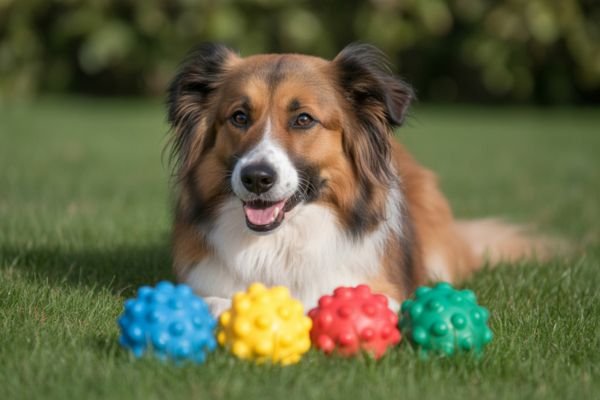
Dogs chase toys based on motion and contrast more than color. A blue Frisbee is easier for them to spot in green grass. A yellow ball stands out on darker floors. Red toys lose their brightness because they blend with the background.
Seeing Colors Indoors
Room lighting changes how dogs see. Blue items stay strong even in low light. Colors like purple or red will fade into grayish tones. Yellow items remain easy to spot.
Seeing Colors Outdoors
Dogs see well in natural daylight, but color separation is still limited. Blue water bowls, yellow leashes, and bright blue harnesses help with visibility during walks.
Dog Night Vision and Motion Detection
Dogs cannot see many colors at night, but their overall vision becomes sharper in low light. Their eyes have a special layer called the tapetum. This layer reflects light and improves night vision. Dogs cannot see all colors clearly, but they can see movement much better than humans.
If a toy moves even a little, a dog reacts quickly. Their eyes detect motion first, color second. This is why dogs track running animals with such accuracy.
Dog Vision vs Color Blindness
People often compare dog vision to human color blindness. Dog vision is similar to a human who is red green color blind. They do not see red or green clearly. They rely on contrast and brightness instead of full color details.
This does not limit dogs. They experience the world in their own way. They use smell, hearing, and motion detection to understand their surroundings better than color alone.
Choosing the Best Toy Colors for Dogs
You can make playtime easier by choosing colors your dog can see well. Blue toys are usually the easiest. Yellow toys also stand out. Avoid red and green toys if you play in grassy areas. They blend too much for your dog to see clearly.
If you want a frisbee your dog will never lose, pick blue. If you want a tennis ball that they can track easily, try a bright yellow one.
Why Understanding Dog Vision Matters?

Knowing how dogs see color helps you improve their life. You can pick toys that they enjoy more. You can design training sessions with colors that they can track. You can make your home safer by using colors they recognize.
This simple knowledge also strengthens your bond with your dog. When you understand how they see the world, you adjust to their needs.
Read Also: How to Prepare Your Dog for Dog Boarding
Conclusion
Dogs do see color in real life, but only a small part of the spectrum. They see blue and yellow clearly, while red and green look dull or gray. Their vision is built for movement, contrast, and low light, not full color detail. When you choose toys or set up their space, focusing on the colors they see best can make a large difference in their daily life.
FAQs
Dogs cannot see red clearly. It appears dark or brown to them.
Yes. Their eye structure allows them to see better in low light than humans.
Dogs see blue and yellow most clearly, so these toys stand out.
Dogs are not fully color blind. They have dichromatic vision, which means they see fewer colors than humans.