
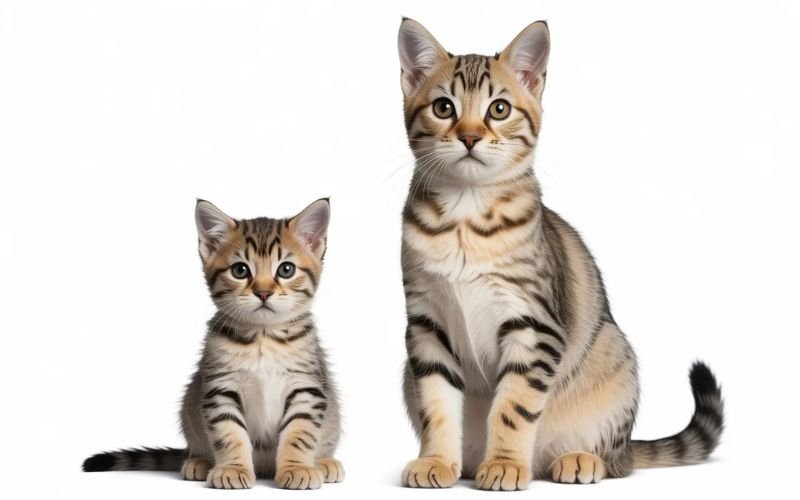
If you are wondering when do male cats stop growing and reach full size, the short answer is that most male cats stop growing between 12 and 18 months of age. However, that timeline can vary depending on breed, genetics, nutrition, and whether the cat is neutered.
Some cats look fully grown at one year old, but they may still be filling out and gaining muscle for several more months. Understanding what to expect can help you track healthy development and know when growth changes are normal.
At What Age Do Male Cats Reach Full Size?

Most male domestic cats reach their full height and length by about 12 months. However, they often continue to gain weight and muscle until 18 months, and sometimes up to 2 years.
Here is a general timeline:
- 0 to 6 months: Rapid growth phase
- 6 to 12 months: Slower but steady growth
- 12 to 18 months: Muscle development and filling out
- 18 to 24 months: Final maturity for some larger breeds
By the time a male cat is around 18 months old, he is usually at or very close to his full adult size.
Do Male Cats Grow Longer Than Female Cats?
Yes, in many cases male cats grow slightly larger than females. They often:
- Weigh more
- Have broader heads
- Develop thicker necks
- Build more muscle mass
This difference becomes more noticeable after puberty. Male cats tend to develop a sturdier frame, especially if they are not neutered.
However, size still depends heavily on breed and genetics.
How Breed Affects Growth?
Breed plays a major role in how long a male cat keeps growing.
Average Domestic Shorthair
Most mixed-breed or domestic shorthair males:
- Reach full size by 12 to 18 months
- Weigh between 10 and 15 pounds
Larger Breeds
Some breeds grow more slowly and reach full size later:
- Maine Coon: Up to 3 to 4 years
- Ragdoll: Around 2 to 3 years
- Norwegian Forest Cat: Up to 2 to 3 years
Large and giant breeds take longer because their bones and muscles need more time to fully develop. The Cat Fanciers’ Association explains that breed standards can vary widely, especially for larger cats.
If you have a purebred male cat, check typical breed growth patterns for a more accurate timeline.
What Happens During a Male Cat’s Growth Stages?
Growth is not just about getting bigger. Several physical and hormonal changes happen along the way.
Kitten Stage 0 to 6 Months

This is the fastest growth period. Male kittens:
- Gain weight quickly
- Grow longer legs
- Develop coordination
- Lose baby teeth
Proper nutrition is especially important during this stage.
Adolescent Stage 6 to 12 Months
Growth slows but continues steadily. During this time:
- Muscle begins to develop
- The body shape becomes more defined
- Sexual maturity usually begins
Unneutered males may start marking territory or showing mating behaviors.
Young Adult Stage 12 to 18 Months
By now, height and length are mostly set. However:
- Muscle mass increases
- The chest may broaden
- The face becomes more mature
This is when many male cats reach full size.
Does Neutering Affect Growth?
Neutering can influence how a male cat develops, but it does not stop normal growth.
In fact, neutered male cats may grow slightly taller if neutered early. This happens because hormone changes can delay the closure of growth plates in bones.
However, neutered cats are also more prone to weight gain if overfed. That extra weight is fat, not growth. Monitoring diet and activity is important after surgery.
For reliable guidance on neutering and development, the American Veterinary Medical Association provides helpful information for pet owners.
Don’t Miss: When Do Cats Stop Growing in Different Breeds
How to Tell If Your Male Cat Has Stopped Growing?
It can be hard to notice small changes day to day. Here are signs your cat may be done growing:
- Weight has stayed consistent for several months
- No noticeable increase in height or length
- Body proportions look balanced
- Muscle tone is fully developed
A veterinarian can also confirm whether your cat has reached full maturity during a routine exam.
Healthy Growth Tips for Male Cats

Supporting proper development is simple but important.
Feed Age-Appropriate Food
Kittens need food formulated for growth. Adult food should begin around 12 months, unless your vet recommends otherwise.
Kitten food contains:
- Higher protein
- More calories
- Extra nutrients for bone and muscle growth
Switching too early can slow healthy development.
Monitor Weight
Healthy growth means steady weight gain, not rapid fat gain. You should be able to:
- Feel ribs without pressing hard
- See a slight waist from above
- Notice a defined belly tuck
If your cat looks round or has a sagging belly, it may be time to adjust feeding.
Schedule Regular Vet Visits
Routine checkups help track:
- Weight trends
- Dental development
- Overall body condition
A vet can identify growth issues early if something seems off.
Final Thoughts
So, when do male cats stop growing and reach full size? For most male cats, growth slows significantly around 12 months and finishes by 18 months. Larger breeds may take longer, sometimes up to 3 years.
Every cat develops at its own pace. Watching steady growth, maintaining proper nutrition, and keeping up with veterinary care are the best ways to ensure your cat reaches a healthy adult size.
If you ever feel unsure about your cat’s development, a quick conversation with your veterinarian can provide reassurance and guidance.
Common Questions About Male Cat Growth
Some do. While most reach adult height by 12 months, they may continue gaining muscle and weight until 18 months or longer.
For most average-sized cats, growth is complete by 2 years. Large breeds are the exception and may continue maturing beyond that.
Size varies based on genetics, nutrition, and overall health. Not all male cats grow large, even within the same breed.