
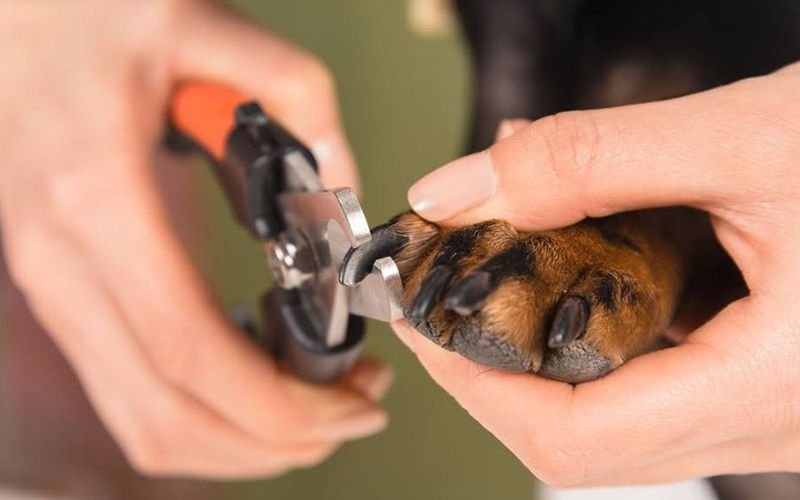
Trimming your dog’s nails can feel stressful, especially if you worry about hurting them. Many dog owners fear cutting the quick. That fear is valid, but it is also manageable. Once you understand where the dog nail quick is and how to work around it, nail trimming becomes calmer and safer for both you and your dog.
This guide explains everything in simple terms. You will learn what the quick is, where it sits, how to spot it, and how to trim nails with confidence.
What Is the Dog Nail Quick?
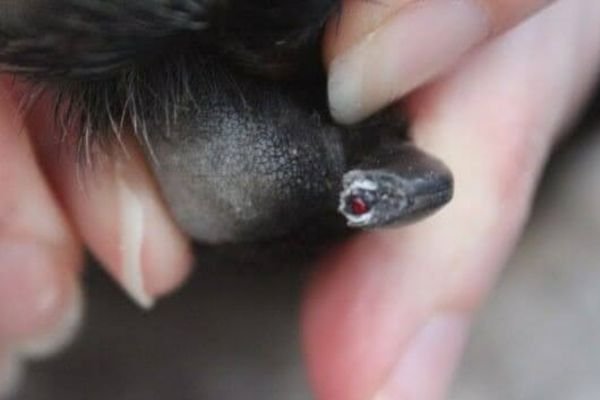
The dog nail quick is the soft, living tissue inside the nail. It contains nerves and blood vessels. This is why cutting into it causes pain and bleeding.
Unlike the hard outer nail, the quick is sensitive. Think of it as the nail’s inner core. When trimming, your goal is to shorten the nail without touching this area.
The quick grows as the nail grows. Dogs with long nails often have longer quicks, which makes trimming more challenging at first.
Where Is the Dog Nail Quick Located?
The location of the quick depends on your dog’s nail color.
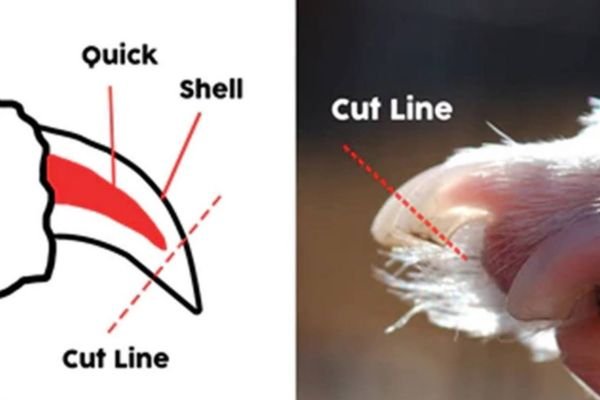
In dogs with light or clear nails, the quick is easy to see. It looks like a pink or reddish area inside the nail. The clear outer shell surrounds it.
In dogs with dark or black nails, the quick is hidden. You cannot see it from the outside. In these cases, the quick usually ends before the nail tip curves downward.
A simple rule helps. The quick sits closer to the base of the nail, while the safe trimming zone is toward the tip. Trimming small amounts slowly keeps you away from danger.
Why Cutting the Quick Hurts Dogs?
Cutting the quick is painful because it contains nerves. It also causes bleeding because of the blood vessels inside.
Even a small nick can make a dog anxious about future nail trims. Some dogs may pull away, cry, or refuse handling next time. This fear often comes from a single bad experience.
That is why slow trimming and awareness matter more than speed.
How to Identify the Quick Before Trimming?
Before trimming, take a moment to examine each nail closely.
For light nails, look for the pink center and stop trimming a few millimeters before it.
For dark nails, trim tiny slices from the tip. After each cut, check the center of the nail. When you see a gray or chalky oval, you are getting close. Stop trimming at that point.
Good lighting helps a lot. Holding the paw gently but firmly gives you better control and keeps your dog calm.
Read Also: Why Do Dogs Scratch Their Beds? Real Reasons Explained
How to Trim Dog Nails Safely?
Choose a quiet space where your dog feels relaxed. Use sharp, clean nail clippers or a grinder designed for dogs.
Hold the paw securely but gently. Trim at a slight angle, following the natural shape of the nail. Never rush. One small cut at a time is safer than one large cut.
If your dog is nervous, trim one or two nails per session. It is fine to spread the process over several days. Calm praise and treats help create positive associations.
Grinding tools can also work well. They remove nail length slowly and reduce the risk of cutting the quick.
What to Do If You Accidentally Cut the Quick?
Even careful owners make mistakes. If you cut the quick, stay calm.
Apply styptic powder, cornstarch, or flour to stop bleeding. Apply gentle pressure for a few seconds. Most bleeding stops quickly.
Comfort your dog and end the session. Do not continue trimming that day. The quick usually heals fast, but watch for swelling or continued bleeding.
If bleeding does not stop after several minutes, contact your vet.
Common Mistakes Dog Owners Make When Trimming Nails
One common mistake is cutting too much at once. Another is using dull clippers, which can crush the nail and cause pain.
Many owners wait too long between trims. Long nails allow the quick to grow longer, making safe trimming harder over time.
Ignoring stress signs is another issue. If your dog is pulling away, growling, or trembling, pause and reset. Forcing the trim can make future sessions worse.
When to Let a Groomer or Vet Handle Nail Trimming
Some dogs strongly resist nail trims despite training. Others have very dark nails or medical issues that increase risk.
Professional groomers and vets trim nails daily and know how to avoid the quick. They also have proper tools and restraint techniques.
If trimming at home causes stress for you or your dog, professional help is a smart and kind choice.
Conclusion
Knowing where the dog nail quick is removes much of the fear around nail trimming. With patience, good lighting, and small careful cuts, most owners can trim safely at home. Take it slow, respect your dog’s comfort, and do not rush the process. Calm, confident trimming builds trust and keeps paws healthy.