
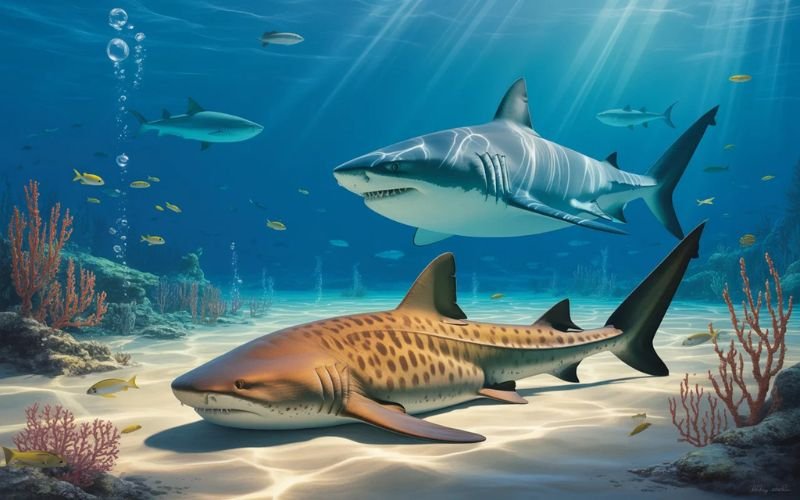
Most of us think of sleep as closing our eyes, curling up in bed, and drifting off into dreams. But when it comes to sharks, everything you thought you knew about sleep gets turned upside down. We’ve all heard that sharks never sleep or that they must swim forever or they’ll die. The real story is more fascinating and a lot more nuanced.
In this article, we’ll explore how sharks rest, why they do it differently from humans, and what modern science has discovered about their sleeping patterns.
Sharks Don’t Sleep As We Do
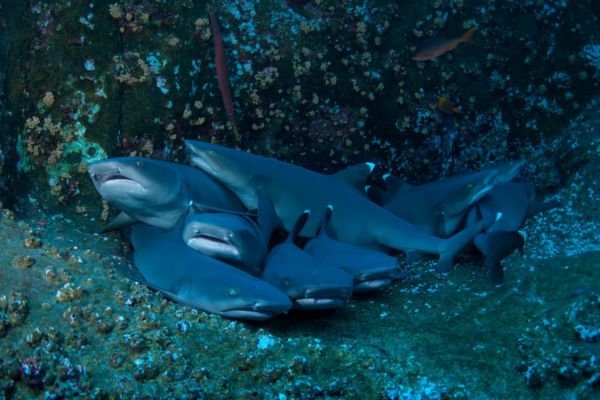
First, let’s clear up a big misconception: sharks do rest, but they don’t sleep in the same way humans do. Unlike mammals, sharks do not have the familiar sleep cycle with deep sleep, light sleep, and REM sleep. They also don’t lie down with their eyes shut. In fact, most sharks don’t even have working eyelids. Their eyes usually remain open, even during rest periods.
So if sharks don’t go into a cozy slumber as we do, what exactly is going on?
The Key to Rest: How Sharks Breathe
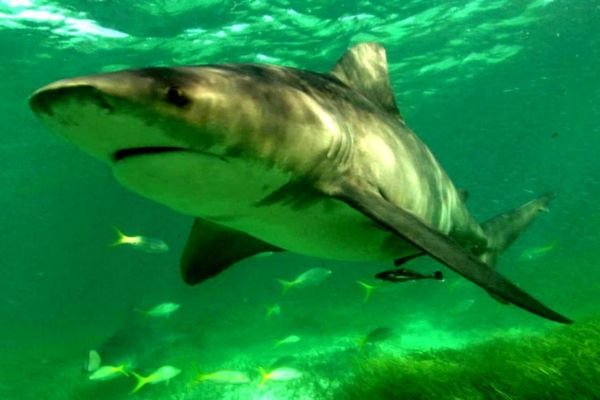
To understand shark rest, we need to talk about how they breathe. Sharks extract oxygen from water using their gills, but different species use different methods to make that happen.
Ram Ventilation
Some sharks, like the great white shark, mako shark, and whale shark, rely on a method called ram ventilation. This means they have to keep swimming with their mouths open so water flows over their gills. If they stop moving, water stops flowing, and they eventually suffocate.
For these sharks, traditional sleep isn’t an option. Instead, they rest while still moving, entering periods of slower swimming or drifting that help conserve energy without stopping entirely. Scientists sometimes call this sleep swimming — a state of reduced activity where the body relaxes while still performing essential functions like breathing and circulation.
Buccal Pumping
Other sharks can breathe without swimming. These species use a technique called buccal pumping. They actively pump water over their gills by moving muscles in their mouth. This lets them remain still and rest on the ocean floor. Sharks that do this often have small holes behind their eyes called spiracles that help bring water in even without forward motion.
Examples of sharks that use buccal pumping include nurse sharks, certain reef sharks like whitetip reef sharks, and wobbegongs. These sharks can truly be motionless while resting, and this stationary state closely resembles what we might call sleep.
What Does “Shark Sleep” Look Like?
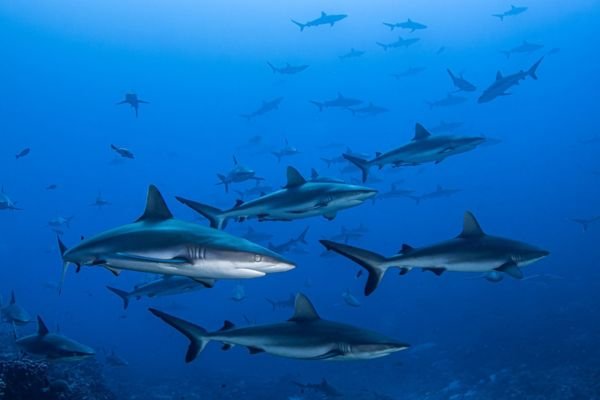
Calling what sharks do “sleep” is useful shorthand, but it isn’t the full picture. Sharks go into a restful state, characterized by:
- Reduced activity or motionless behavior
- Lower responsiveness to their surroundings
- Lower metabolic rate and heart rate in some species
- Behavioral changes that look like rest
For those sharks that stay still to rest, scientists have observed them lying on the ocean floor, tucked into crevices, or even gathering in groups in shallow waters. National Geographic once documented whitetip reef sharks apparently resting together on the sea bottom, which underscores that sharks do have interesting, restful behavior even if it doesn’t look like human sleep.
In some species, particularly those studied in laboratories, scientists have even measured reduced metabolic activity during rest, similar to sleep in other animals. This suggests that sharks might truly enter a sleep‑like state that conserves energy and supports their survival.
Does Brain Activity Change?
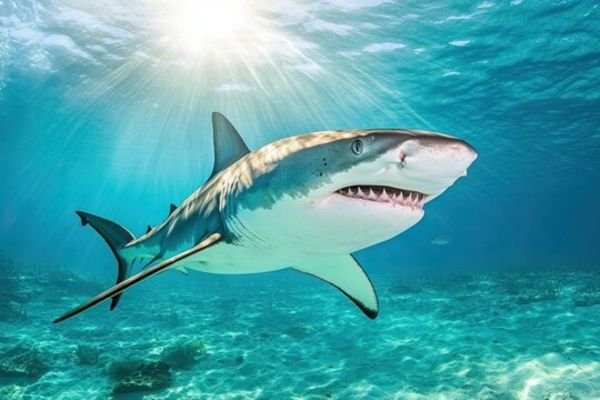
Another intriguing part of the shark sleep puzzle is how their brains may behave during rest. Some researchers have proposed that sharks might experience a form of unihemispheric sleep, where one half of the brain rests while the other stays awake. This is similar to what dolphins and some birds do, allowing the animal to remain aware of danger while still getting rest.
While this isn’t universally proven for all sharks, behavioral evidence shows that many shark species switch between active and restful states throughout the day. They may not enter long sleep cycles like humans, but they certainly conserve energy and exhibit patterns that satisfy many biological definitions of rest.
Sharks with Spiracles Can Stop and Rest
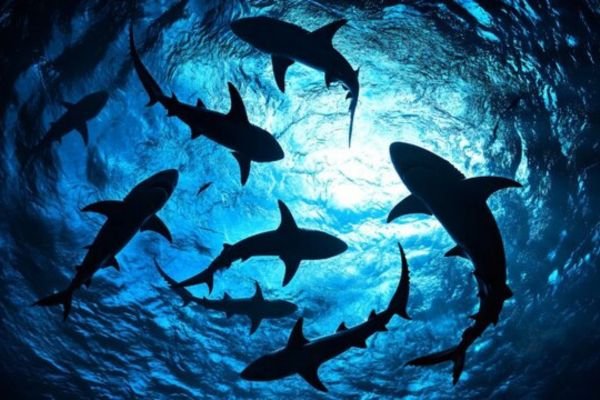
Sharks that can stay still to rest are fascinating to watch. Nurse sharks, wobbegongs, and certain reef sharks use spiracles and buccal pumping to draw water over their gills. These sharks often settle on the seafloor and look almost like they are napping. Their bodies may be motionless, and their movements are minimal, even though they are still breathing.
It’s a reminder that sleep isn’t always about unconsciousness and closed eyes. Some animals have evolved unique ways to rest that suit their environment and biology.
Do Sharks Dream?
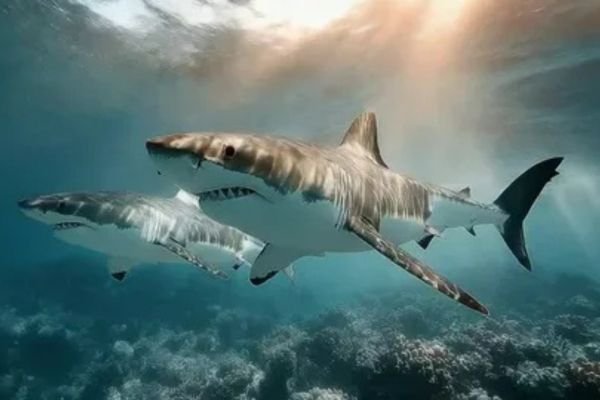
This is perhaps the most interesting question of all, but so far there’s no solid evidence that sharks experience dreams in the way humans or some mammals do. Dreaming is associated with specific brain activity during REM sleep, and that hasn’t been shown in sharks.
That doesn’t mean there’s nothing interesting going on in a shark’s brain during rest, just that we don’t currently have evidence to say they dream as we do.
Final Thoughts
Sharks challenge our basic assumptions about sleep. They don’t curl up in a bed or close their eyes for eight hours. Instead, they have developed diverse and clever strategies to rest while still meeting their physiological needs.
The biggest takeaway is simple: sharks do rest. Some swim slowly and conserve energy, others pause on the ocean floor and use special breathing techniques, and many shift between periods of activity and calm. Their version of sleep is different, but it’s no less important. They’ve survived for hundreds of millions of years, and their unique rest habits are a big part of that success.
Next time someone tells you sharks don’t sleep, you can tell them the truth: they just do it in a way that makes sense for life underwater.