
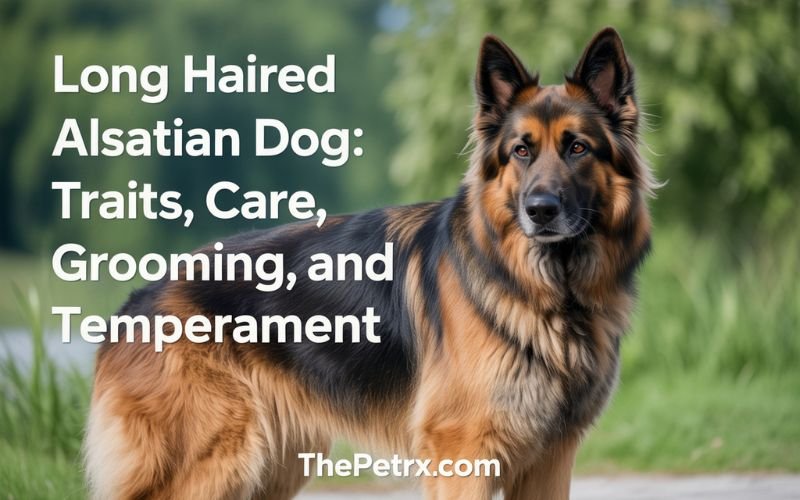
The long haired Alsatian dog often catches attention before it ever makes a sound. The flowing coat, alert expression, and confident stance give this dog a presence that feels both powerful and calm. Many people assume it is a different breed, but the truth is simpler and more interesting.
This guide explains what living with a long haired Alsatian dog is really like, not just how the breed looks on paper, but how it behaves, what it needs daily, and whether it fits your lifestyle.
What Makes a Long Haired Alsatian Dog Different?
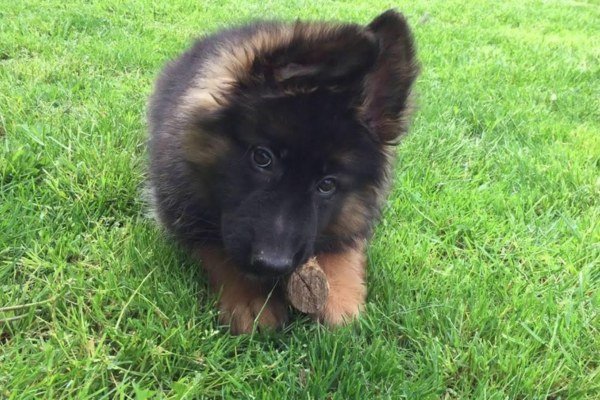
A long haired Alsatian dog is a German Shepherd born with a recessive gene that affects coat length. Both parents must carry this gene, which is why long-coated puppies appear less often, even in purebred litters.
Aside from coat length, the dog remains a true Alsatian in every meaningful way. Intelligence, loyalty, and work drive are still there. What changes most is how owners experience the dog day to day, especially when it comes to grooming and shedding.
Many first-time owners are surprised to learn that long-haired Alsatians were once considered unsuitable for working roles due to coat standards, even though their abilities never changed.
Physical Appearance and Coat Texture
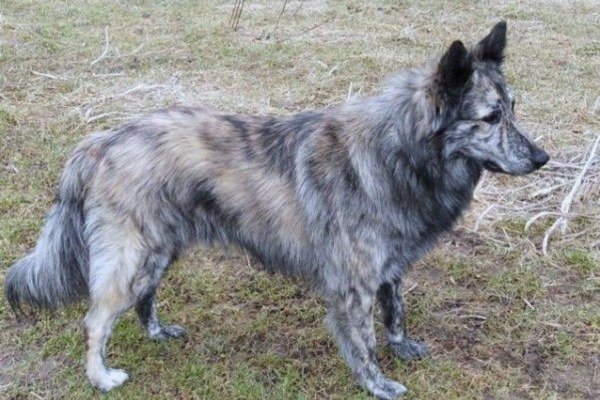
The coat is the most obvious feature, but it is not just longer, it behaves differently. The fur tends to be softer, with feathering around the legs, chest, tail, and behind the ears. This gives the dog a fuller, more relaxed look compared to short-coated German Shepherds.
Some long haired Alsatians lack a thick undercoat, which affects insulation and shedding patterns. In cold climates, this means extra care during winter. In warmer regions, airflow through the coat becomes important.
Common visual traits include:
- A bushy tail with flowing hair
- A mane-like appearance around the neck
- Longer fur on the back of the legs
- Traditional Alsatian colors like sable, black and tan, or solid black
Despite the softer look, the body underneath remains strong and athletic.
Temperament in Everyday Life
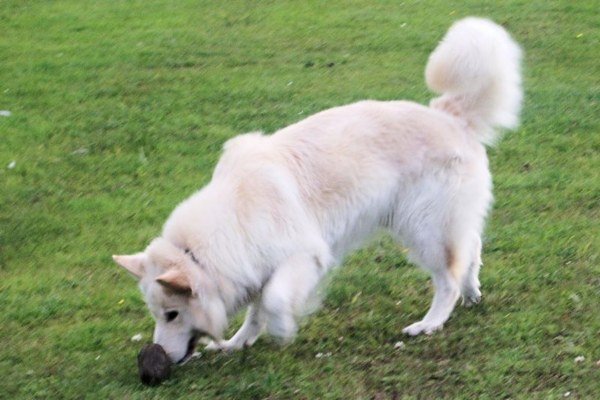
Living with a long haired Alsatian dog often feels like having a quiet observer in the house. These dogs are naturally alert, but not constantly noisy. They prefer to watch, assess, and then act if needed.
Their loyalty runs deep. Many owners notice that the dog chooses one primary person, while still remaining affectionate with the rest of the household. With children, they are usually patient and protective, provided early socialization is done properly.
They respond strongly to tone and consistency. Shouting or harsh correction often backfires, while calm direction builds trust quickly. This emotional sensitivity is one of the breed’s most underrated traits.
Public perception of dogs based on appearance can be strange. Some coat patterns or looks gain popularity while others are overlooked, a topic explored in Why Do Brindle Dogs Lack Popularity?, which highlights how aesthetics often influence reputation more than behavior.
Grooming and Shedding Reality
Grooming is where expectations and reality often collide. A long haired Alsatian dog does not require daily professional grooming, but it does need regular attention.
Brushing several times a week prevents tangles and keeps loose hair under control. Areas behind the ears and around the tail tend to mat first if neglected. When brushing becomes routine, grooming sessions turn into bonding time rather than a chore.
Shedding happens year-round, with noticeable increases during seasonal changes. The lack of a dense undercoat in some dogs makes shedding feel unpredictable rather than heavy.
Bathing should be occasional, not frequent. Too much washing dries the skin and dulls the coat. A clean environment and consistent brushing usually reduce the need for baths.
Exercise and Mental Engagement
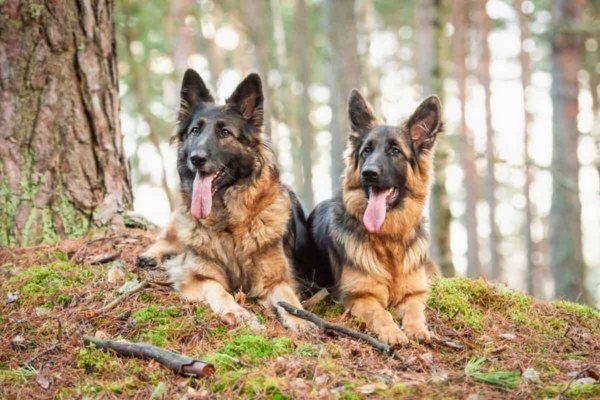
This breed does not do well with boredom. Physical exercise is important, but mental stimulation is what truly keeps a long haired Alsatian dog balanced.
Long walks help burn energy, but structured activities like obedience training, puzzle toys, or scent games keep the mind engaged. Training sessions should feel purposeful rather than repetitive.
These dogs enjoy having a job, even if that job is as simple as guarding the house or accompanying their owner daily. Without direction, they may create their own tasks, which are not always welcome.
Feeding and Nutrition Considerations
Diet affects more than weight. It impacts coat quality, joint health, and energy levels. A protein-rich diet supports muscle strength and keeps the coat healthy, while healthy fats help reduce dryness and shedding.
Large breeds require controlled portion sizes, especially during growth stages. Overfeeding increases stress on joints, which can cause problems later in life.
Fresh water should always be available, particularly for active dogs or those living in warmer climates.
Health Awareness and Prevention
The long haired Alsatian dog shares the same health risks as standard German Shepherds. Hip and elbow dysplasia remain the most discussed concerns, especially in dogs from irresponsible breeding.
Digestive sensitivities and skin irritation may appear if diet or grooming routines are poor. Regular checkups help catch issues early, often before symptoms become serious.
Choosing a breeder who performs health testing and raises puppies in clean, social environments significantly improves long-term outcomes.
Is This the Right Dog for You
A long haired Alsatian dog thrives in homes where it is treated as a companion, not decoration. This breed values presence, structure, and involvement in daily life.
Active families, experienced dog owners, and individuals who enjoy routine outdoor activity usually adapt well. Homes with limited time or long daily absences may struggle to meet the dog’s emotional needs.
If you are drawn to intelligence, loyalty, and a strong bond, this breed can be deeply rewarding when cared for properly.
Conclusion
The long haired Alsatian dog offers more than good looks. It brings intelligence, emotional depth, and quiet confidence into the home. While grooming and exercise demand commitment, the bond formed with this breed often feels unmatched. With patience and consistency, this dog becomes a trusted companion for years to come.